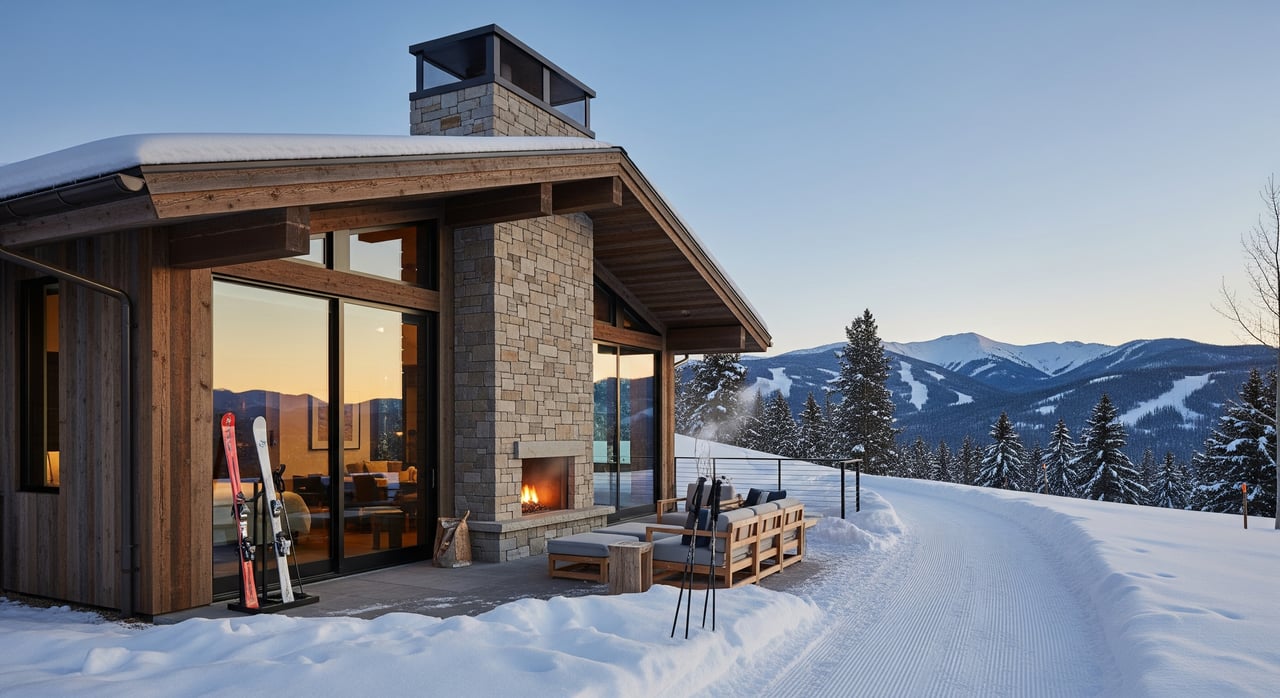
Ever pictured clipping in at your door, gliding to the lift, and ending the day by skiing back to your condo? If you’re exploring slopeside living in Whitefish (ZIP 59937), you’re not alone. Buying near the lifts can be exciting, but the details matter: access routes, HOA rules, rental programs, and winter logistics can make or break your experience. This guide gives you the local, nuts-and-bolts insight you need to choose the right building, verify “true” ski access, and buy with confidence. Let’s dive in.
Ski-in/ski-out defined in Whitefish
Not all “ski-in/ski-out” labels mean the same thing. Understanding the difference helps you compare buildings more accurately and avoid surprises after the first snowfall.
True ski-in/ski-out
A true ski-in/ski-out condo opens directly to a designated run or a groomed connector that lets you ski or ride to and from your door without crossing a road or taking a long walk. In practical terms, you step out, click in, and go.
Ski-adjacent or ski-accessible
These properties are very close but require a short walk, crossing a driveway, snowfield, street, or parking lot. You might carry gear across pavement or use a short path. The walk is usually a few minutes, but conditions and snowbanks can change the feel of that distance.
Resort-proximate with shuttle
These buildings rely on a resort or private shuttle to reach the lifts. They can be convenient and more budget-friendly, but they are not ski-in/ski-out by definition.
The route matters more than the label
- Verify the exact winter route from the unit door to the nearest lift or run. Grooming patterns, plowed banks, and sidewalk maintenance affect real-world access.
- Check the difficulty of the access trail. A path that looks close on a map may require advanced terrain or a steep walk. Ask whether the route is beginner-friendly and maintained all season.
- Confirm easements. Make sure the HOA or building has a recorded right to cross private or resort land where needed.
Compare building types before you tour
Different slopeside buildings around Whitefish Mountain Resort offer distinct trade-offs. Narrow your list by matching the building style to your goals for owner use and rentals.
Purpose-built ski condos
These are developed on or bordering resort property for direct access. You typically get the closest proximity and solid rental demand. HOA dues may be higher because of snow and amenity costs, and some require participation in an on-site rental program.
Converted or mixed-use near-resort
These buildings can be a short walk to access and may offer more owner-friendly rules and lower dues. Expect fewer resort services and more variability in how you reach the snow on busy weekends or during low-snow periods.
High-end full-service buildings
Think concierge, housekeeping, ski valet, and on-site shops. The convenience is excellent for both owners and guests. Dues and rules are often stricter, and owner scheduling may require more coordination.
Boutique 2–4 unit buildings
Small buildings can deliver privacy and flexibility, especially if you self-manage rentals. You trade off professional amenities for more control and responsibility for upkeep and logistics.
HOA rules and finances to verify
Strong associations are essential in mountain environments. Snow, ice, and mechanical systems create unique costs. Before you fall in love with a unit, review the building’s governance and numbers.
Use and rental restrictions
Read the CC&Rs and rules closely. Some buildings limit short-term rentals, cap the number of rental units, or require owner registration. Others may require use of a specific on-site program. Check minimum stay rules, occupancy limits, and any owner-use reservation system.
Budget, reserves, and assessments
Request the current budget, balance sheet, reserve study, and the last several sets of meeting minutes. Snow removal, heated sidewalks, boiler systems, and elevator maintenance add up. Ask about historical and planned special assessments and the association’s insurance deductibles for major events.
Amenities and operating costs
Understand what drives dues: roof snow management, de-icing, heated ramps, elevator service, locker rooms, boot dryers, laundry, and shuttle contracts can all be line items. Confirm what’s included in dues versus paid separately by owners.
Parking, storage, and logistics
Ask about assigned versus guest parking, winter parking bans, and snow storage capacity in the lot. Confirm ski locker availability, private owner storage, and where you can dry wet gear.
Building condition and lifecycle
Review the age and condition of roofs, exterior cladding, windows, shared boilers or HVAC, elevators, and sewer or septic connections. Mountain climates increase wear and tear from freeze-thaw and ice. Request past inspection reports and ask about moisture or intrusion history.
Insurance, liability, and easements
Confirm coverage for guest injuries on common areas and what owners must carry when renting. Review recorded easements for any ski trails or maintenance access that cross private lots.
Rentals, permits, and taxes
If rental income is part of your plan, treat it like a business from day one. Policies can vary by building and change over time, so verify the details early.
Local STR regulation and licensing
Check City of Whitefish and Flathead County rules for licensing, permitted zones, and lodging taxes. Clarify who is responsible for registering and remitting transient lodging taxes and whether there are occupancy reporting requirements.
Rental program options
- On-site HOA-run program: convenient front desk operations with shared revenue splits. Request recent P&L statements and cancellation policies.
- Third-party property manager: full-service companies handle bookings, cleaning, and maintenance for a fee that commonly ranges around 20 to 40 percent based on service level.
- Owner self-management: potentially higher gross revenue but requires reliable local cleaning, maintenance, and emergency coverage.
- Hybrid models: some buildings allow mixed approaches but may have exclusivity rules. Always confirm CC&Rs.
Financial due diligence
Request 12 to 24 months of verified rental statements for the specific unit. Review occupancy by month, average daily rate, gross revenue, management and cleaning fees, utilities, HOA charges, maintenance reserves, and owner-use blocks. Ask about summer, shoulder-season performance, and typical booking lead times.
Tax and legal considerations
Consult a CPA experienced in vacation properties about income reporting, depreciation, passive activity rules, and how owner use affects classification. Clarify sales and lodging tax obligations, as well as any required business licenses. If platforms collect and remit taxes, confirm what they cover and what remains your responsibility.
Insurance for rentals
Many homeowners policies exclude short-term rentals. Confirm appropriate landlord or vacation rental coverage, including liability and loss of income. Some HOAs require specific endorsements or additional insured status for managers.
Seasonality and what to expect
Whitefish is a true four-season destination, but winter is the anchor for most slopeside condos.
Winter peak
December through March is typically the highest occupancy and rate period, with holidays and President’s Week seeing strong demand. Units with beginner-friendly access and convenient storage tend to book early.
Shoulder seasons
Late spring and early fall can see softer demand, although regional events, fishing, and hiking add short bursts. Expect weekend-heavy bookings and more last-minute reservations.
Summer demand
Whitefish attracts visitors for biking, hiking, lake recreation, and festivals. Some buildings maintain strong summer calendars, though rates and occupancy often sit below winter peaks. Proximity to Glacier National Park and Glacier Park International Airport helps support off-season stays.
Verify with real numbers
Always request a month-by-month booking calendar and revenue history for the unit. Ask local managers about typical cancellation patterns, weekend versus multi-night stays, and how inventory in your building affects pricing.
Pre-offer checklist and remote touring
If you are shopping from out of state, you can still verify the details that matter. Ask for building and unit documentation upfront and insist on seeing the real winter access.
Documents to request
- CC&Rs, bylaws, current rules and rental policies
- Current HOA budget, balance sheet, and most recent reserve study
- Insurance declarations and liability limits
- Last 12 to 24 months of HOA meeting minutes and special assessment history
- Building maintenance logs and capital project plans
- Unit-level rental ledgers, monthly revenue breakdowns, and utility history
- Title report, recorded easements, and any required rental program agreements
- Recent unit inspection reports and permits for completed work
Physical items to verify
- A recorded winter walk-through video that shows the route from the unit door to the nearest lift or run, plus how you get back
- Photos or video of ski lockers, boot rooms, drying systems, and in-unit laundry or ventilation
- Soundproofing indicators and neighbor noise expectations
- Sun and wind exposure, with seasonal photos if available
- Elevator and ADA access from parking to the unit if needed
Remote touring best practices
Request a Matterport or similar 3D tour and a to-scale floor plan. Schedule live video walk-throughs at different times of day, including after fresh snowfall. Use resort webcams and satellite tools to confirm proximity and elevation changes. Ask for invoices that document recent repairs and maintenance routines.
Questions to ask the seller or manager
- How exactly do you reach the run or lift during average and low-snow seasons?
- How often is the access path cleared and who pays for snow-melt or heated walks?
- Are rentals mandatory or optional? How are owner reservations prioritized?
- What are typical occupancy and cancellations by month, and guest profiles by season?
- Any history of moisture intrusion, mold, or insurance claims in the last 5 to 10 years?
- Are any capital projects planned that could trigger assessments?
Inspections and contingencies
Order a standard home inspection and add building-focused checks for hydronic systems, roof, exterior envelope, elevator, and HVAC. Consider a moisture or infrared scan. Include an HOA document review contingency and the right to withdraw if material issues arise. Verify title for easements and any resort encroachments.
Key risks and how to mitigate them
- Misreading access: Demand winter photos or videos and a clear, unit-specific route description.
- Low reserves or surprise assessments: Scrutinize the reserve study and meeting minutes; negotiate credits or price adjustments for known projects.
- STR rule changes: Confirm current city and county rules and include a contingency for proof of valid licensing if rental income drives your purchase.
- Operational shifts: Review contracts for shuttles and rental management; ask for current agreements in writing.
- Natural hazards: Check wildfire and weather-related exposure, ask about HOA mitigation plans, and confirm insurance availability and deductibles.
How we help you buy with confidence
You deserve a smooth purchase backed by local insight. With four generations of Flathead Valley roots and a background in title insurance, you get hands-on guidance that protects your interests at every step. From arranging winter access videos and detailed HOA reviews to coordinating remote inspections and clean escrow timelines, you will feel informed and supported.
If you are ready to compare buildings, verify true slopeside access, and plan for rentals and winter logistics, reach out. You will get responsive, concierge-level service and practical expertise from offer to closing.
Ready to find the right ski-in/ski-out condo in Whitefish? Contact Lacy Richter to start your search.
FAQs
What qualifies as true ski-in/ski-out at Whitefish?
- You can ski or ride directly to and from your door via a designated run or groomed connector without crossing roads or taking a long walk.
Are short-term rentals allowed in Whitefish slopeside condos?
- It depends on the building’s CC&Rs and local City of Whitefish and Flathead County rules, so verify both before you buy and secure required licenses.
When do slopeside condos rent best in Whitefish?
- Winter is typically peak season from December through March, with holidays and President’s Week in strongest demand and summer providing additional but often lower ADR occupancy.
What HOA documents should I review before I make an offer?
- Request CC&Rs, bylaws, rules, current budget, reserve study, insurance declarations, meeting minutes, special assessment history, and any rental program agreements.
How can I tour a unit remotely and still verify access?
- Ask for a recorded winter walk-through from the door to the lift, live video tours at different times, 3D scans, floor plans, and resort webcam views to confirm terrain and distance.
What risks are unique to slopeside ownership and how do I reduce them?
- Focus on accurate access verification, strong HOA reserves, current STR compliance, stable operations contracts, and appropriate insurance with wildfire and weather considerations.